Cibachrome: The Noblest Colour Printing Process in the History of Photography

A process that captured liquid light on paper — and nearly died with the digital age
There are moments in the darkroom that burn themselves into memory. When a Cibachrome print slowly emerges in the processing drum — that glassy luminosity, those colours like liquid light, that depth of black no inkjet printer in the world will ever reproduce — you understand why photographers mourned this process like the loss of an old friend. It was the most expensive, the most demanding, the most unpredictable. And the most beautiful.
Cibachrome is dead. Almost. But its legacy is immortal.
The Birth of a Process: From Gáspár to Ciba
The story of Cibachrome does not begin in Switzerland, but in Berlin in the 1930s. The Hungarian chemist Dr. Béla Gáspár developed the so-called Gasparcolor process there in 1933 — a colour printing technique based on the silver dye bleach method, which he initially employed for animated films and military reconnaissance photography. The US armed forces used the process during the Second World War for aerial reconnaissance images, owing to its exceptional archival stability. Gáspár declined numerous purchase offers for his process — until his death.
His assistant Paul Dreyfus eventually took the technology forward and developed it for the Swiss chemical company Ciba AG in Basel. Together with the British photographic materials manufacturer Ilford, Ciba brought the process to market readiness. From 1963, the positive paper was developed for commercial production by Ciba in collaboration with Ilford, and following Ciba's acquisition of Ilford in 1969, it was sold under the name Cibachrome.
The first exhibition of Cibachrome prints took place in 1963 at Photokina — the world's most important photography trade fair, then as now held in Cologne. The murmur in the hall was palpable. Nothing had ever looked like this before.
The process was manufactured at a purpose-built production facility in Marly near Fribourg in Switzerland — a plant Ciba erected in 1963 specifically for Cibachrome production, which would remain the heartbeat of this technology for decades.
What Is Cibachrome? The Chemistry of the Extraordinary
Cibachrome is not ordinary photographic paper. Strictly speaking, it is not paper at all — but a 100% polyester film base coated with multiple light-sensitive emulsion layers. Its fundamental principle is radically different from everything conventional colour photography had known.
The Silver Dye Bleach Process
Ilfochrome/Cibachrome employs a dye destruction process based on pre-embedded azo dyes within a multi-layer emulsion structure, producing positive images directly from colour transparencies. This subtractive method incorporates complete cyan, magenta, and yellow dyes into the emulsion layers of the paper, which are selectively bleached during processing to form the image.
This is the crucial distinction from all other colour printing processes: with Cibachrome, the dyes are already present in the material. They are not added — they are taken away. The image is formed through the destruction of colour, through bleaching, not through construction.
The precise sequence at the molecular level:
The material consists of three superimposed emulsion layers, each containing silver halide salts sensitive to specific wavelengths — blue for the yellow dye layer, green for the magenta layer, and red for the cyan layer — together with the corresponding azo dyes integrated during manufacture. During exposure, light activates the silver halides in proportion to the intensity of each colour channel, and the subsequent black-and-white development converts these halides into metallic silver grains exclusively in the exposed areas. This metallic silver then acts as a catalyst during the bleach step, selectively destroying the overlying azo dyes.
In the exposed zones, silver is formed — this silver catalyses dye destruction. In the bright areas of the slide (the darkest areas of the print), the dyes are preserved. The result: a direct positive from a positive, with no detour through a negative whatsoever.
Nine Layers — and an Impossible Depth
The nine emulsion layers have a combined thickness of 22 nanometres and contain dyes that act as anti-light-scatter agents. These unique properties create more precise image projection that does not spread or fan out during exposure.
This is the physical reason for Cibachrome's legendary sharpness. Thinner layers mean less light scatter, less light scatter means sharper colour edges, and sharper colour edges mean prints that still show fine detail under a loupe where other processes have long since broken down.
Archival Stability: Built for Eternity
Cibachrome prints used azo dyes and were estimated to have a lifespan of 200 years under correct humidity conditions. Other sources speak of 300 to 500 years under optimal storage conditions. One of Ilfochrome's largest customers was the US Department of Defence. The material's near-unlimited archival stability in the dark made it ideal for storing surveillance and documentation images.
No colour printing process commercially available today comes even close to this stability.
The Materials: Papers, Formats, Surfaces
Ilfochrome Classic — the Gold Standard
The true flagship was Ilfochrome Classic — on a pure polyester base, with a glassy-smooth high-gloss surface that shimmered like no other photographic material. Alongside it existed:
- Cibachrome RC Gloss: the same optical result, but on resin-coated paper rather than polyester — slightly less expensive, but susceptible to edge delamination and therefore less robust.
- Cibachrome RC Matte: for applications requiring a matte surface.
- Ilfochrome Micrographic Film: a specialist variant for archival purposes on a transparent base — the US military and library systems worldwide used this version for long-term archiving.
Over time, the range was expanded to offer paper and film in sizes up to 40 × 50 inches (approximately 100 × 127 cm), meeting professional requirements for large-format prints from transparencies.
The Polyester Base Material
Cibachrome material is produced on a 100% polyester substrate that cannot be separated into layers, whereas RC photographs are mounted on paper and can be split at the edges. This dimensional stability of the polyester is critical for large-format applications: the material does not buckle, does not stretch, and retains its exact geometric form even over decades.
The Development Process: Precision or Nothing
From P-30 to P-3
Over the decades, various chemical systems were developed. The original P-30 process involved separate developer, bleach, and fixer baths with relatively long processing times. The later P-3 process simplified the chemistry and reduced processing times, making home darkroom use more practical.
The P-3 cycle in detail:
A typical P-3 cycle comprises: development at 24°C for approximately 3 minutes, bleach at 24°C for approximately 3 minutes, fixation at 24°C for approximately 3 minutes, followed by thorough water rinsing. Total wet processing time is approximately 12 to 15 minutes including rinsing.
The precise steps: pre-wash (30 seconds) — this prevents uneven development. Development (3 minutes) — the Cibachrome developer is a black-and-white developer that forms the silver compounds within the multi-layer dye structure of the paper. Rinse (30 seconds). Bleach (3 minutes) — the bleach catalyst is activated in proportion to the amount of silver formed during development. The dye layers of the paper emulsion are exposed and form the actual image. Fixation (3 minutes) — the fixer halts the bleaching process and stabilises the image.
In the P-3 bleach, the silver previously formed in the developer and the dyes embedded in the layers are bleached out simultaneously. Since the dyes can only be bleached in the presence of silver, dye bleaching automatically stops when all silver has been bleached out. This is the elegant self-regulating chemical mechanism of the process.
Drum Processing: The Jobo at its Core
Drum processing with a motorised drum processor such as the Jobo CPP or CPA was the preferred method, offering uniform agitation, precise temperature control, and complete light isolation during processing.
The Jobo CPP-2 became synonymous with high-quality Cibachrome processing in the professional darkroom. For even larger formats, industrial processing machines existed — from the bench-top Cap40 (for prints up to 40 cm wide) to the Kreonite processor, which enabled wall-format prints, at the modest price of nearly $50,000.
The Problem with Darkness
Cibachrome paper is sensitive — but no more so than conventional colour papers. Complete darkness during exposure and drum loading is of course mandatory. The real problem lies elsewhere: in the sensitivity of the finished product.
Ilfochrome Classic has a glassy-smooth surface that is extremely susceptible to scratches and moisture. A single fingerprint, a scratch during transport, and the print is ruined. Professionals always wore cotton gloves. Always.
The High-Contrast Problem and the Art of Masking
This is where amateur craft separates from masterwork — and it is the point at which Cibachrome fully earns its reputation as a demanding process.
The Inherent Contrast Problem
Much of the early experimental work aimed to tame the contrast problem through modification of the developer. Cibachrome has an inherently higher gamma curve than other colour printing materials. What appears on the light table as a beautifully balanced slide can render on Cibachrome as a contrast-overwhelmed print with blown-out highlights.
The slide should be slightly underexposed or normally exposed for Cibachrome processing. A flat scene reproduces better than a high-contrast one.
Particularly hazardous: Fujichrome Velvia — the favourite film of many landscape photographers — with its extreme colour saturation and steep contrast. Velvia on Cibachrome without treatment could look brutal. Velvia on Cibachrome with a carefully crafted contrast mask could be the most beautiful thing ever printed.
Contrast Masks: The Highest Art
Within the darkroom, controlling the contrast of a print requires the creation of contrast masks. Contrast masks are made from black-and-white transparency film (exposed from the original colour transparency) and then laid over the original in the negative carrier. Sitting atop the original, the mask balances the light density through it to reduce contrast when creating the print. Additionally, contrast masks offer the benefit of unsharp masking, which increases edge contrast throughout the print and gives it a sharper appearance.
This is essentially the same technique that Adobe Photoshop digitally simulates as "Unsharp Mask" — but here executed in the analogue darkroom, with black-and-white film, precision registration, and a craftsman's feel for density and gradation.
Contrast masks are governed by three primary factors: exposure, development time, and filtration. An experienced Cibachrome master often spent hours crafting the perfect mask for a single image.
Internegatives: The Detour to Colour Depth
Another technique for contrast control and enhancement of colour depth was the internegative. Here, a colour negative was first made from the original slide — the internegative — from which the enlargement onto Cibachrome was then made. For best results, one must also know how to mask internegatives.
This sounds like a detour, and it is — but a deliberate one. The internegative offers control possibilities that direct positive-to-positive printing does not provide: curve correction, targeted colour correction, contrast compression in highlights and shadows. Kodak even produced a specific internegative film — the Kodak 4325 — which is likewise long discontinued.
Exposure: Light as a Tool
Enlarging slides onto Cibachrome differed fundamentally from printing negatives. The image is already a positive — the bright areas of the slide are bright, the dark areas are dark. In the enlarger, light must pass through the slide in such a way that the emulsion layers of the Cibachrome paper are correctly activated.
For colour control, a colour head or dichroic filter head was used, allowing cyan, magenta, and yellow filters to be adjusted in fine increments. Since the coating process for each colour layer is subject to variation, each pack of paper includes a CMY table showing the filtration correction required for a neutral print.
Every new batch of paper — sometimes every new pack — demanded fresh test exposures. This was expensive, time-consuming, and required a calibrated eye for colour deviations.
Photographers Who Made the Impossible Possible (expanded)
Christopher Burkett: The Last Master
No name is more inseparably linked with Cibachrome than that of Christopher Burkett. He dedicated himself to crafting each photograph by hand from 6×6 and 8×10 format transparency film using the now-discontinued Swiss Cibachrome photographic paper, creating some of the most archivally stable, largest, and highest-resolution colour photographs ever produced. Burkett became a recognised national expert in Cibachrome printing (Ilfochrome Classic Deluxe) through his refined printing skills and numerous exhibitions [1] [2]. He personally prints carefully from 8×10" transparencies onto 20×24", 30×40", and 40×50" formats, as well as medium format onto 20×20", 30×30", and 40×40", with remarkable sharpness and rich, balanced tonal values. His final decade has been devoted to a series he calls "the museum collection" — Cibachromes in editions of fifteen, in formats up to 24×62" and priced in the five-figure dollar range [3].
When Ilford announced the discontinuation of the material, Burkett acted decisively: he purchased a ten-year supply of Cibachrome and has been working against the clock ever since, before the paper and chemistry age irreversibly [4]. When his material is exhausted, he does not plan to switch to digital, but to bring his active printing work to a close — a radical form of artistic integrity [5].
Lucien Clergue
Lucien Clergue used Ilfochrome for direct positives from slide film and prized its exceptional colour stability and archival potential spanning several centuries, which allowed his works — often exploring Provençal landscapes and the human form — to retain their visual impact in gallery environments [6]. Clergue, co-founder of the Rencontres d'Arles, one of Europe's most important photography festivals, was an early advocate of the process and helped establish Ilfochrome in the art world [7] [8].
Douglas Vincent
As one of the few remaining active Cibachrome practitioners, Douglas Vincent keeps the craft alive [9]. He documents his process publicly and emphasises that Cibachrome is not merely a printing technique but an attitude: every print is unique and bears the maker's handwriting — from the masking through to the final rotation of the Jobo drum [10].
Fatali — "The Light Hunter"
The American landscape photographer Michael Fatali, who performs under the name "Light Hunter" Fatali, was given this name in the 1980s by the Navajo people on account of his obsessive pursuit of light in the slot canyons of the American Southwest. His early portfolios and gallery exhibitions consisted of original Cibachrome prints — among them the "Mystery Gardens" portfolio presented in Page, Arizona, containing eight original Cibachrome photographs in a limited edition [11]. Auction listings explicitly catalogue his works as Cibachrome prints on Ilfochrome paper, underscoring the high collector status of these analogue originals [12]. Fatali himself has described how he literally lived in his Cibachrome darkroom for years before he could afford a normal apartment — a degree of dedication that perfectly mirrors the ascetic rigour of the process [13] [14].
Peter Lik
The Australian-born panoramic photographer Peter Lik became known for large-format landscape images sold through elaborately staged galleries in the United States and internationally. In texts on the history of the Cibachrome/Ilfochrome process, Lik is explicitly cited as one of the legendary photographers who favoured the medium for its extreme sharpness and colour saturation, alongside names such as Christopher Burkett and Eliot Porter [15]. His heavily saturated, often dramatically lit landscapes benefited from the glassy surface and deep blacks of the Ilfochrome material, which formed an important part of the presentational quality of his work during his early and middle career phases [16] [17].
Charles (Charlie) Cramer
Charles Cramer is one of the most distinguished contemporary landscape photographers and a textbook example of the technical evolution from the dye transfer process through Cibachrome/Ilfochrome to digital pigment prints. Reports on classical colour processes explicitly note that after years with dye transfer, Cramer moved his work to Cibachrome/Ilfochrome before switching fully to digital methods for practical reasons [18] [19]. This intermediate phase was decisive for his reputation as a master of colour printing technique, as he combined the particular qualities of Cibachrome — precise colour edges, enormous density, and brilliant saturation — with his finely calibrated negative and masking technique.
Franco Fontana
The Italian photographer Franco Fontana is celebrated for his extremely colour-intense, graphically abstracted landscapes and cityscapes, which often read like paintings. Numerous auction catalogues list his works explicitly as Cibachrome prints on Ilford or Ilfochrome paper — for instance "Swimming Pool" or "San Francisco, 1979", described as Cibachrome prints on Ilfochrome material [20] [21] [22]. His choice of Cibachrome aligns with the aesthetics of his images: the embedded azo dyes and mirror-smooth surface amplify the colour radiance already present in the slide, condensing his minimalist compositions into luminous fields of colour.
Bill La Brie
The American nature photographer Bill La Brie, known through his "Visions of Nature" gallery in California, used Ilfochrome (formerly Cibachrome) for years as a premium print medium for his limited editions. His gallery website explicitly highlights that his limited-edition images are produced on archival Ilfochrome, Fuji Crystal Archive, and Fuji Flex, in order to preserve the "true colours and sharpness of the original image" — a formulation that makes clear the role of Ilfochrome as a reference medium for colour depth and brilliance in the fine art sector [23]. La Brie thus belongs to that generation of nature photographers who consciously deployed Ilfochrome as a quality hallmark of their editions, and in doing so helped consolidate the material's reputation in the collector market.
Eliot Porter (as a Reference Name)
Eliot Porter himself worked primarily with the dye transfer process throughout his career, which afforded him enormous control over colour and tonal values. In popular survey articles on Cibachrome, Porter is nonetheless frequently mentioned in the same breath as Cibachrome/Ilfochrome photographers such as Peter Lik and Christopher Burkett — less because he demonstrably printed systematically on Ilfochrome, but because his colour-saturated nature photography is stylistically regarded as a forerunner of the aesthetic that many later transposed onto Cibachrome [24] [15]. In an expanded historical context, Porter can therefore serve as a reference name marking the lineage from the early masters of colour printing to the Cibachrome specialists of the 1970s through 1990s.
The History of Decline
Ciba Becomes Ciba-Geigy Becomes Ilford
After years of developing the paper, Ciba (Ciba-Geigy from 1970) sold all of its Ilford shares in 1989 to the American company International Paper, and Cibachrome was required to be renamed Ilfochrome.
As a result, the material was renamed from Cibachrome to Ilfochrome Classic in early 1992, officially announced at the Photo Marketing Association (PMA) trade fair in Las Vegas.
The Decline Through Digital
Cibachromes (Ilfochrome Classic) dominated the world of high-gloss printing in their time, but digital prints have since replaced the glassy finish of Ilfochrome. In less than a decade, digital technology transformed everything in art and photography.
The chronology of failure is classic for a niche technology caught by broad-scale disruption: first the mass laboratories lost interest, because digital prints were cheaper and faster. Then professional photographers lost access to competent Cibachrome laboratories. Then the market contracted so far that raw material costs could no longer be justified.
Oji Paper failed to revive Ilfochrome adequately, and in April 2010 the British corporate group Paradigm Global Partners LLP announced the acquisition of ILFORD Imaging Switzerland GmbH. Paradigm appeared determined to continue the Ilfochrome product, but then announced its discontinuation on 26 September 2011, citing reduced demand and higher production costs, exacerbated by the dramatic rise in silver prices.
A beloved product of 40 years had reached its end.
The Last Rescue: DFI CHEM GmbH
In 2015, Ilfochrome's key chemist, operating as DFI CHEM GmbH, negotiated the continued production of P3, P3X, and P5 chemistry. And remarkably, the key chemical components were offered in powder form, enabling deep-freeze storage — like the paper itself — for up to a decade.
This means: anyone who still holds Cibachrome paper and frozen chemistry can theoretically still work today. Christopher Burkett does.
What Remains: Alternatives and Collector Value
The Only Alternatives
There are no true alternatives. To say so honestly is to say everything about Cibachrome. There is no substitute for Cibachrome — it was unique.
The practical approximations:
Fujiflex Crystal Archive: Fuji developed a digital version of Ilfochrome, in which a digital image is printed onto polyester film — optically similar, but chemically fundamentally different. No direct positive, no silver dye bleach process.
RA-4 Reversal Process: With specially modified chemistry, RA-4 colour papers can be exposed from slides in a reversal process. The results are unstable and difficult to control.
Digital Internegative: A high-resolution scanned slide is output as a negative onto inkjet transparency film and then enlarged onto RA-4 paper. It works — but it is not Cibachrome.
Collector Value
In recent years, appreciation has increased tenfold. Like a vintage Patek Philippe watch that can never be duplicated in the modern world, the value rises constantly.
Cibachrome prints from the 1970s through the 1990s are now traded on the art market as historical objects. Christopher Burkett's museum-format prints in editions of 15 cost between $7,000 and $36,000 and are held in the collections of the Portland Art Museum, the Museum of Fine Arts Boston, and the Center for Creative Photography.
What Cibachrome Was — and What We Have Lost
Technically speaking: a polyester base with nine emulsion layers, azo dyes, a silver dye bleach chemistry, and an archival stability of 200 to 500 years. In practice: the most brilliant, deepest, most light-saturated printing material analogue photography has ever known.
What we have lost is not a technology. We have lost a craft. The fusion of optical physics, chemical precision, and manual skill that made every Cibachrome print a unique object. The fact that behind each print stood a human being who calculated the exposure by hand, produced the mask by hand, operated the drum by hand.
The digital camera can offer more pixels. The inkjet printer can cover more square metres. But no printer in the world generates that luminosity from within itself — without incident light — as if light were not reflected but stored.
The Cibachrome process is a dying process. But it is dying slowly, in a handful of deep-frozen stockrooms, in the darkrooms of masters like Christopher Burkett, who still fight the clock before the last material decomposes.
When the final sheet is spent, a light goes out.
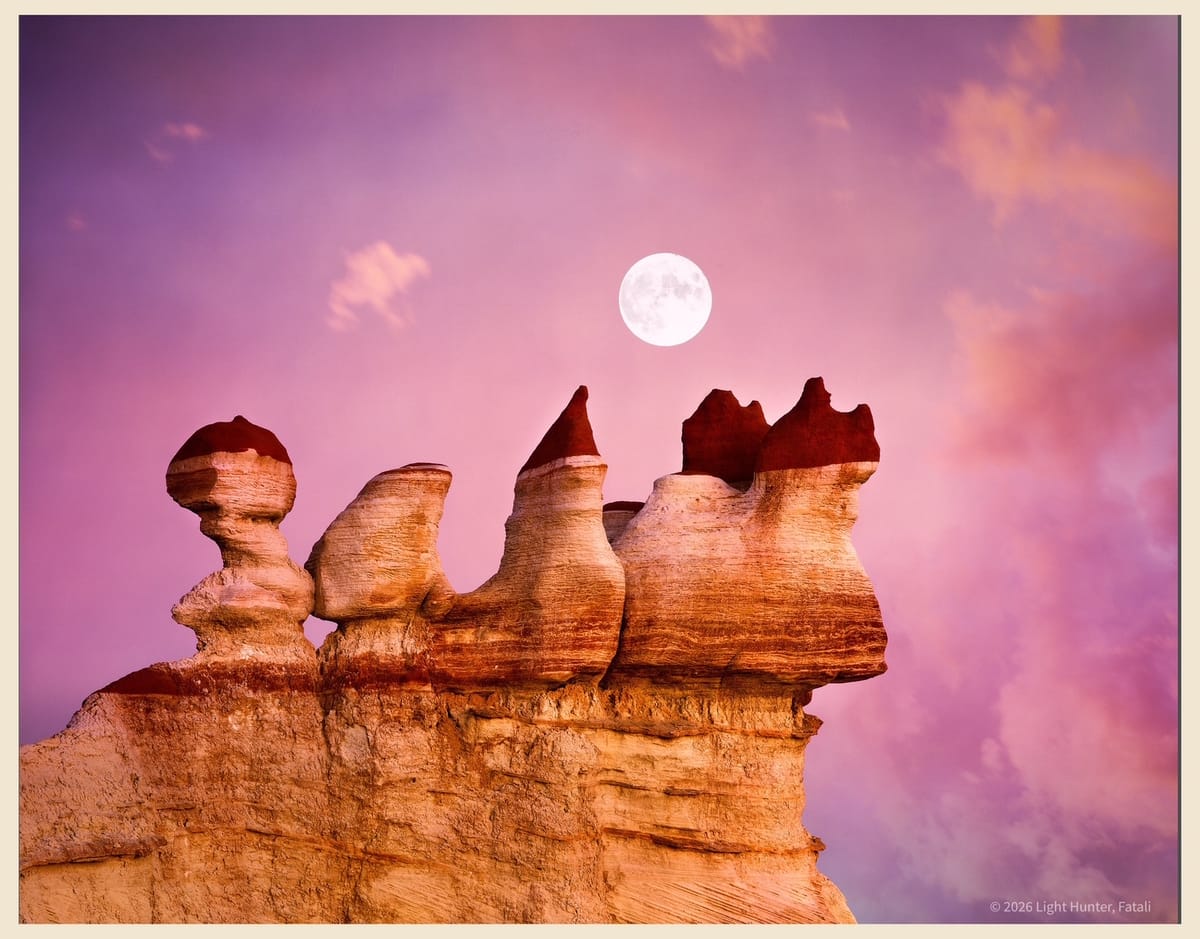
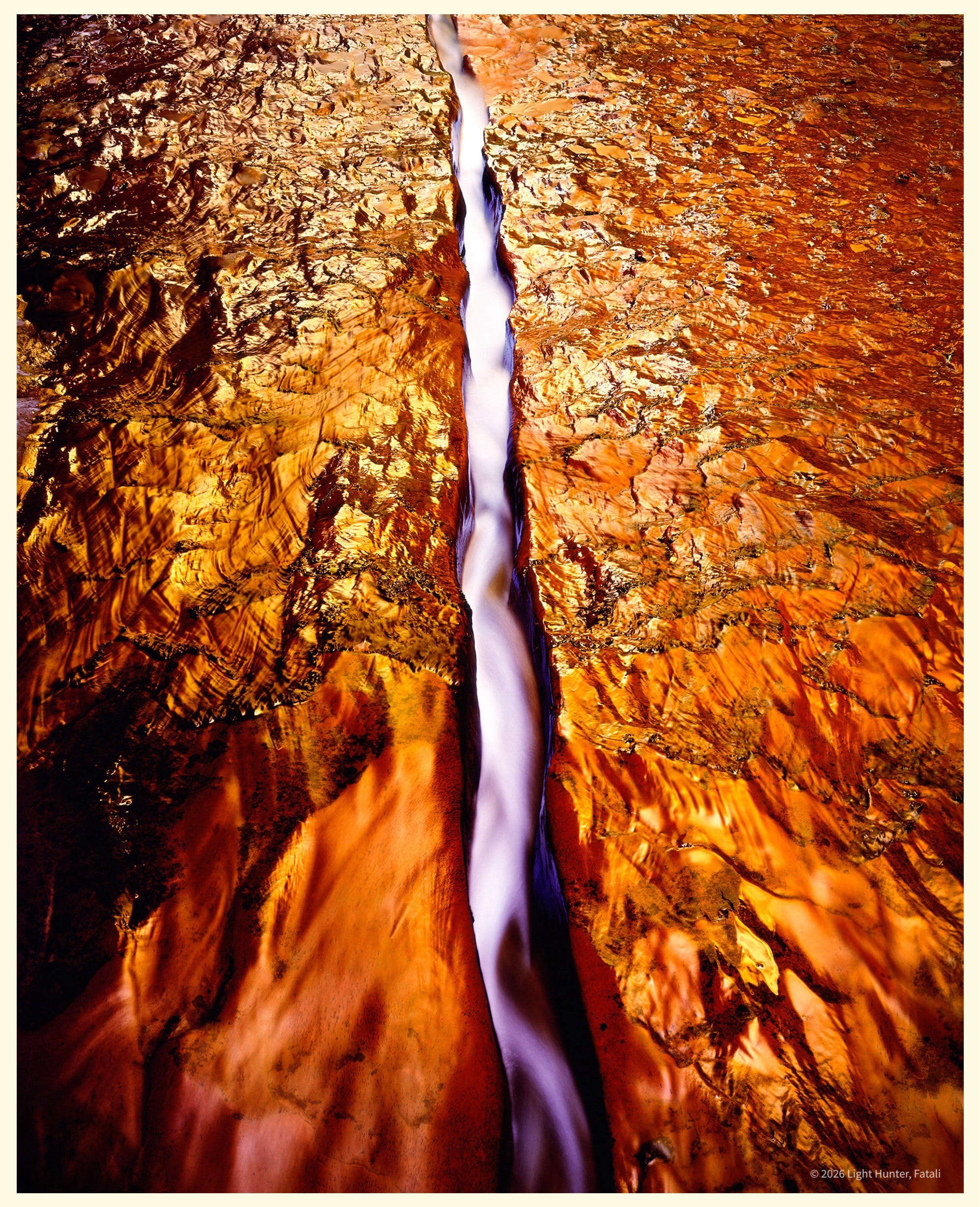
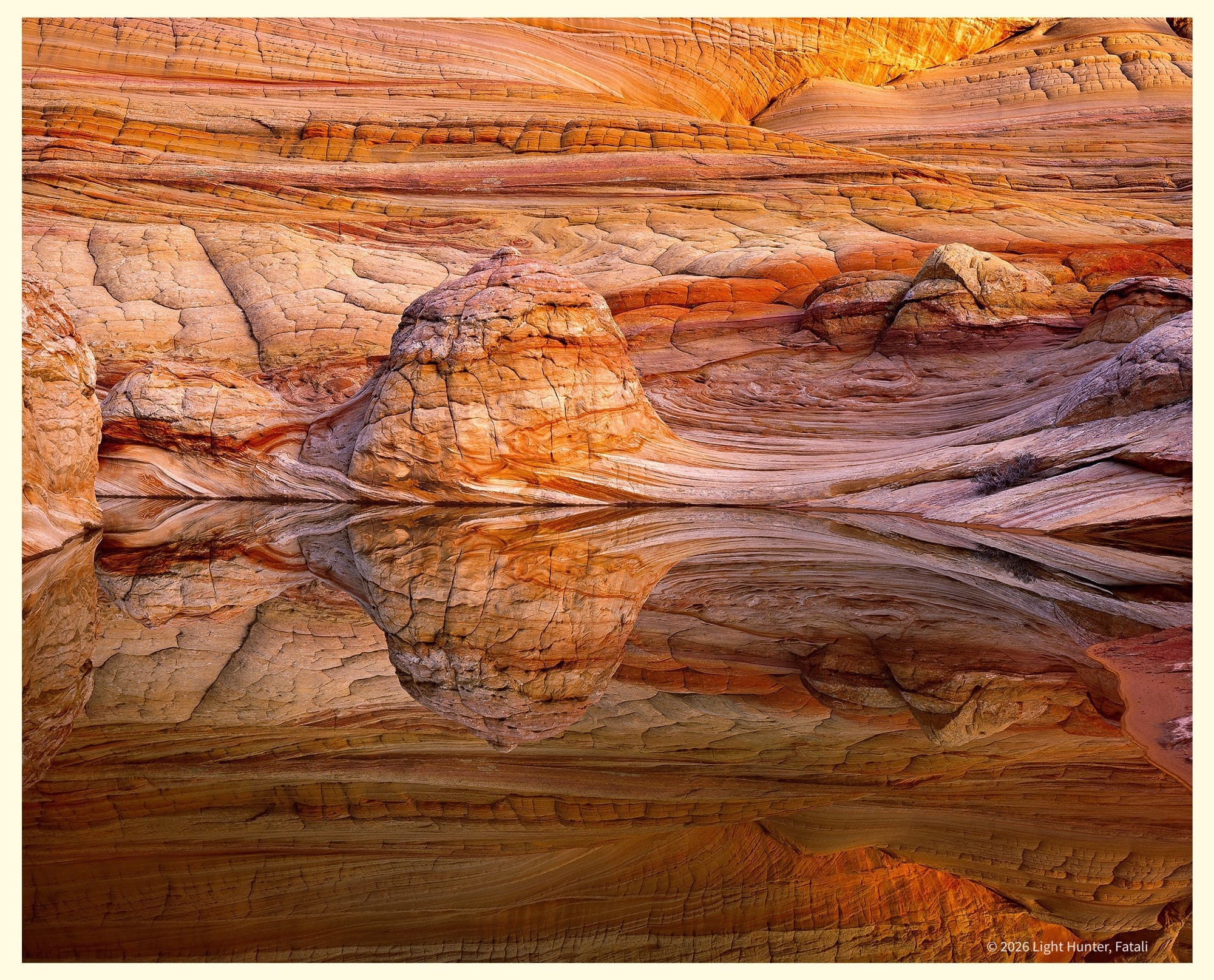
Yesterday I received 9 more photos from Fatali, which I’m allowed to share here on the blog. Thank you very much for that. The digital versions of these photos, while serving as examples of the superiority of the Cibachrome process, can only hint at their perfection. However, you can only truly appreciate the quality of these images if you’ve seen the Cibachrome prints with your own eyes.
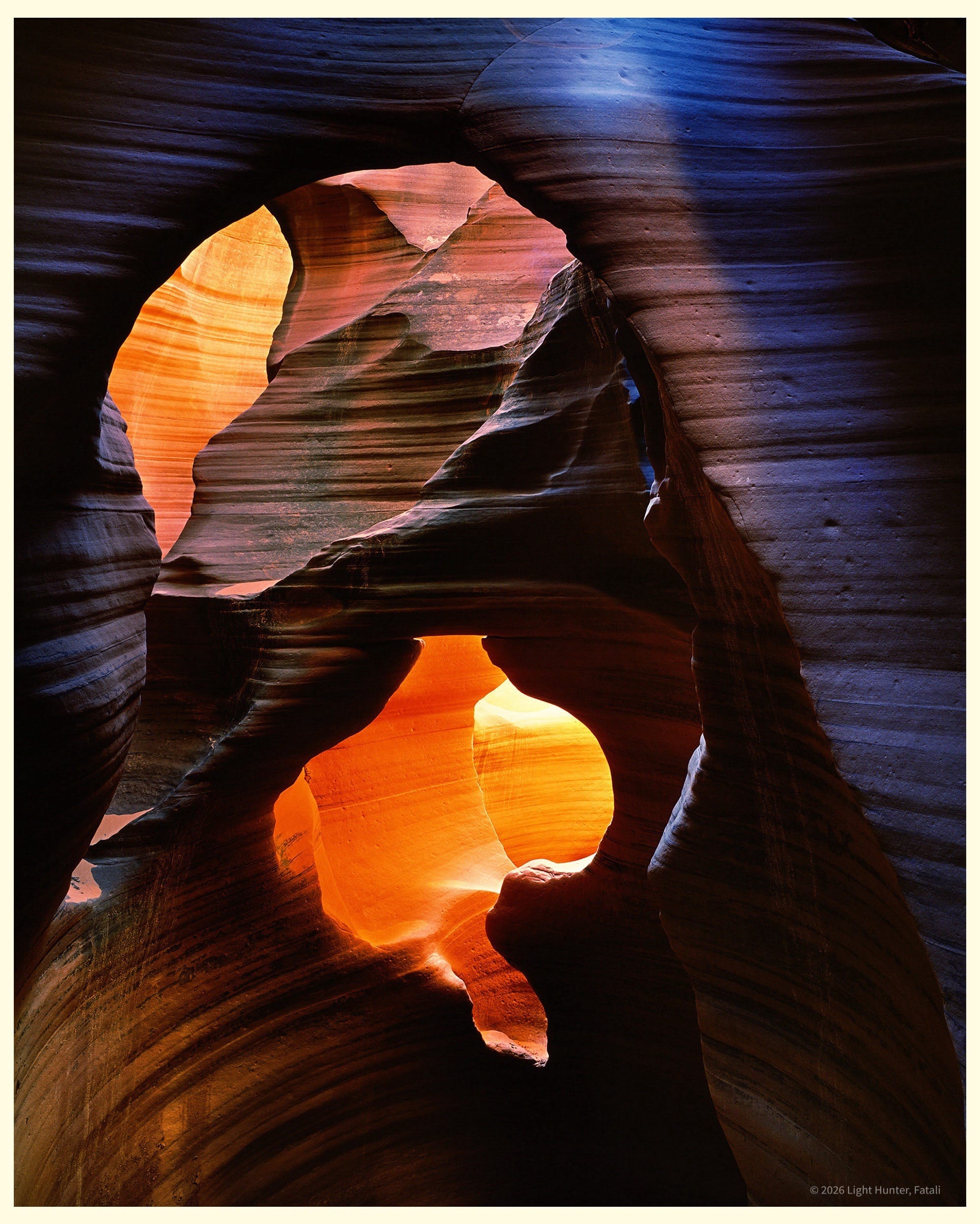
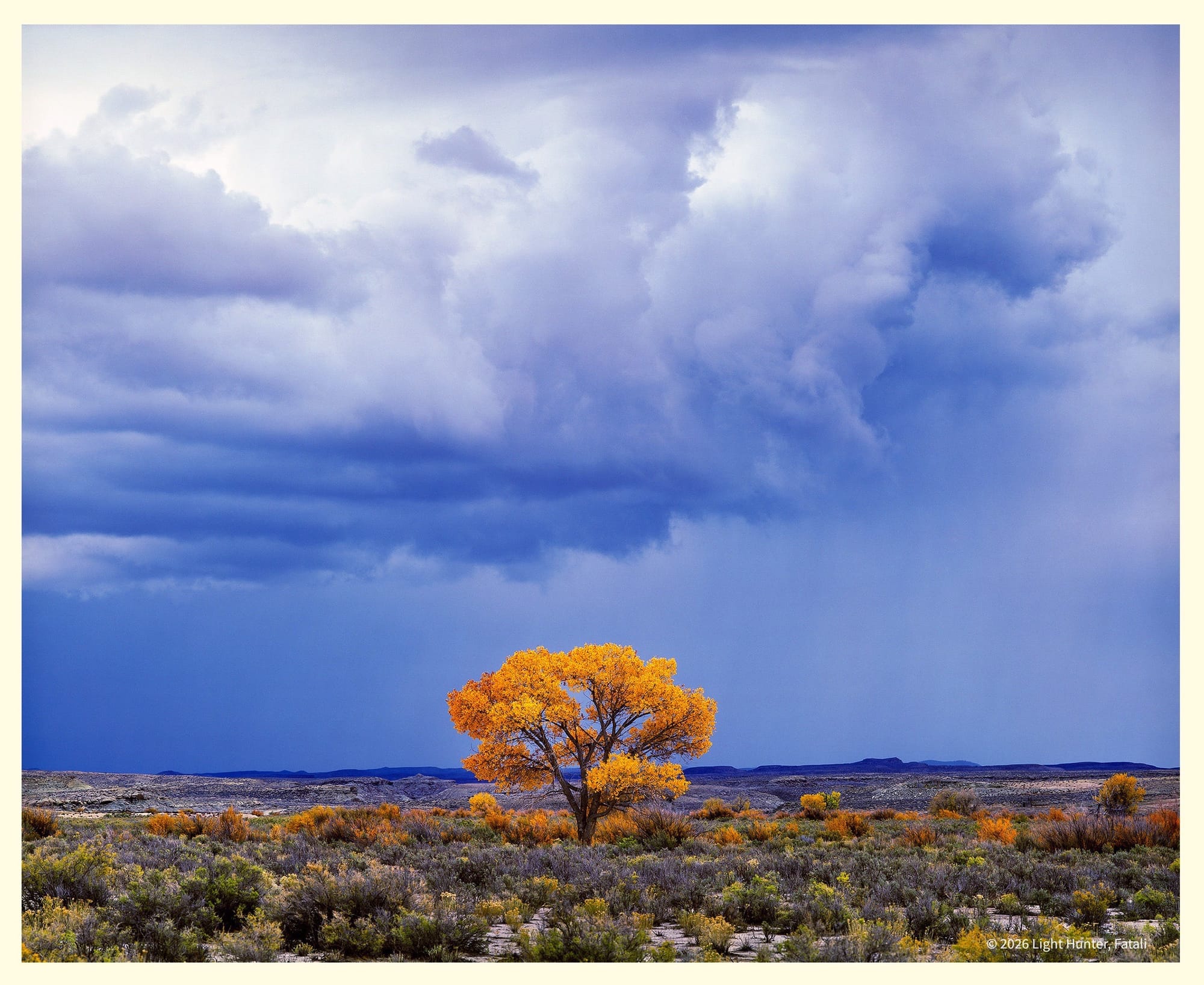
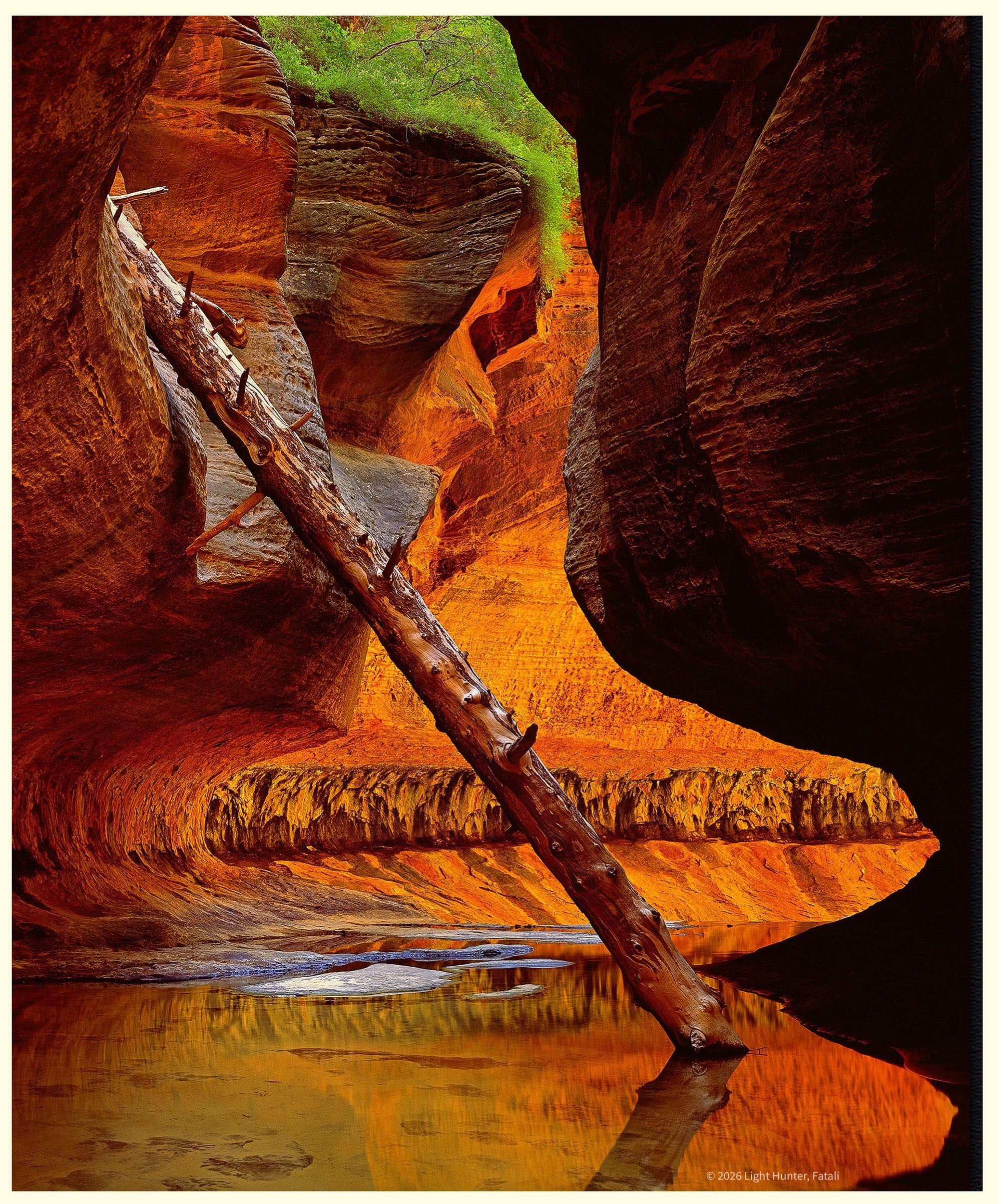
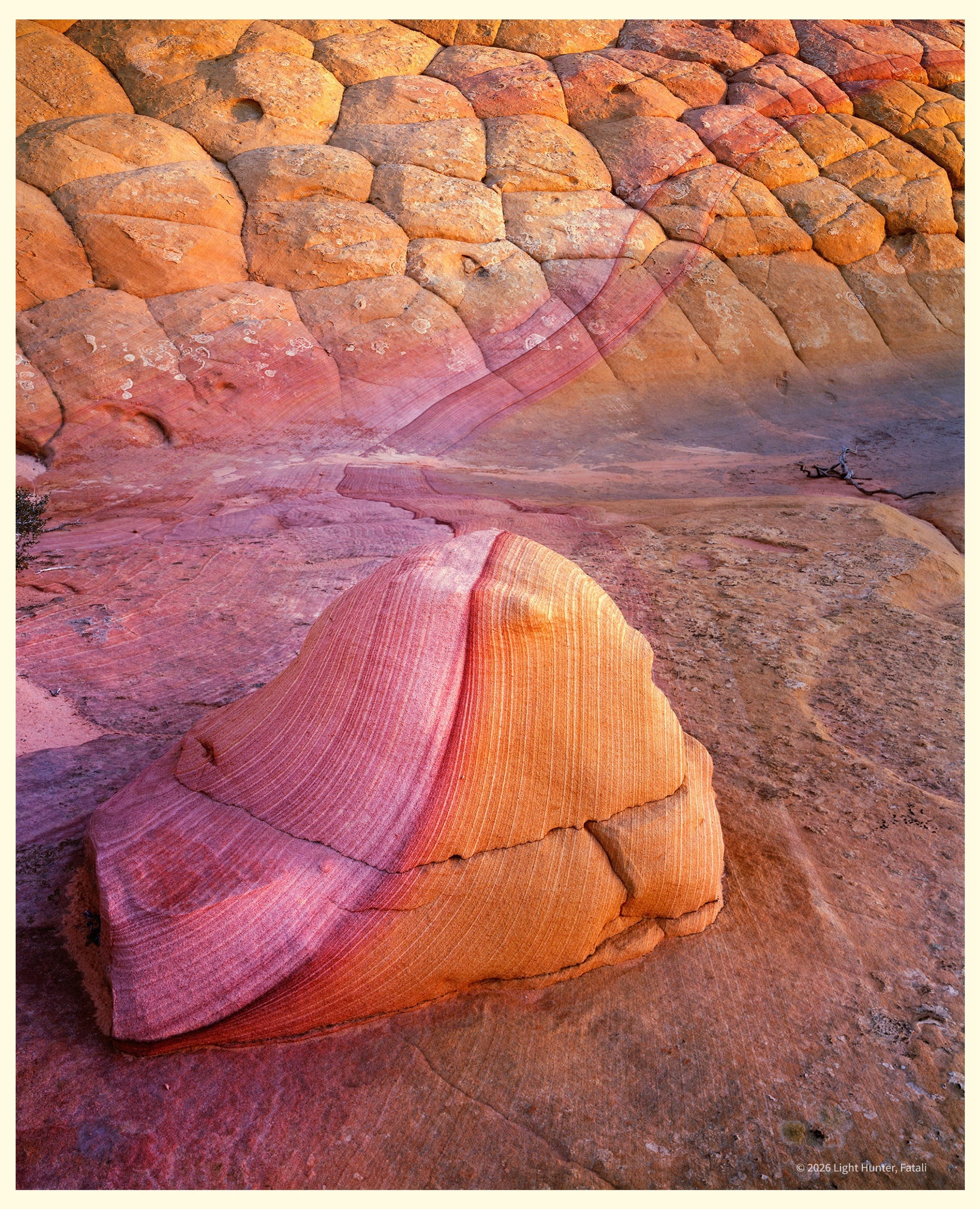
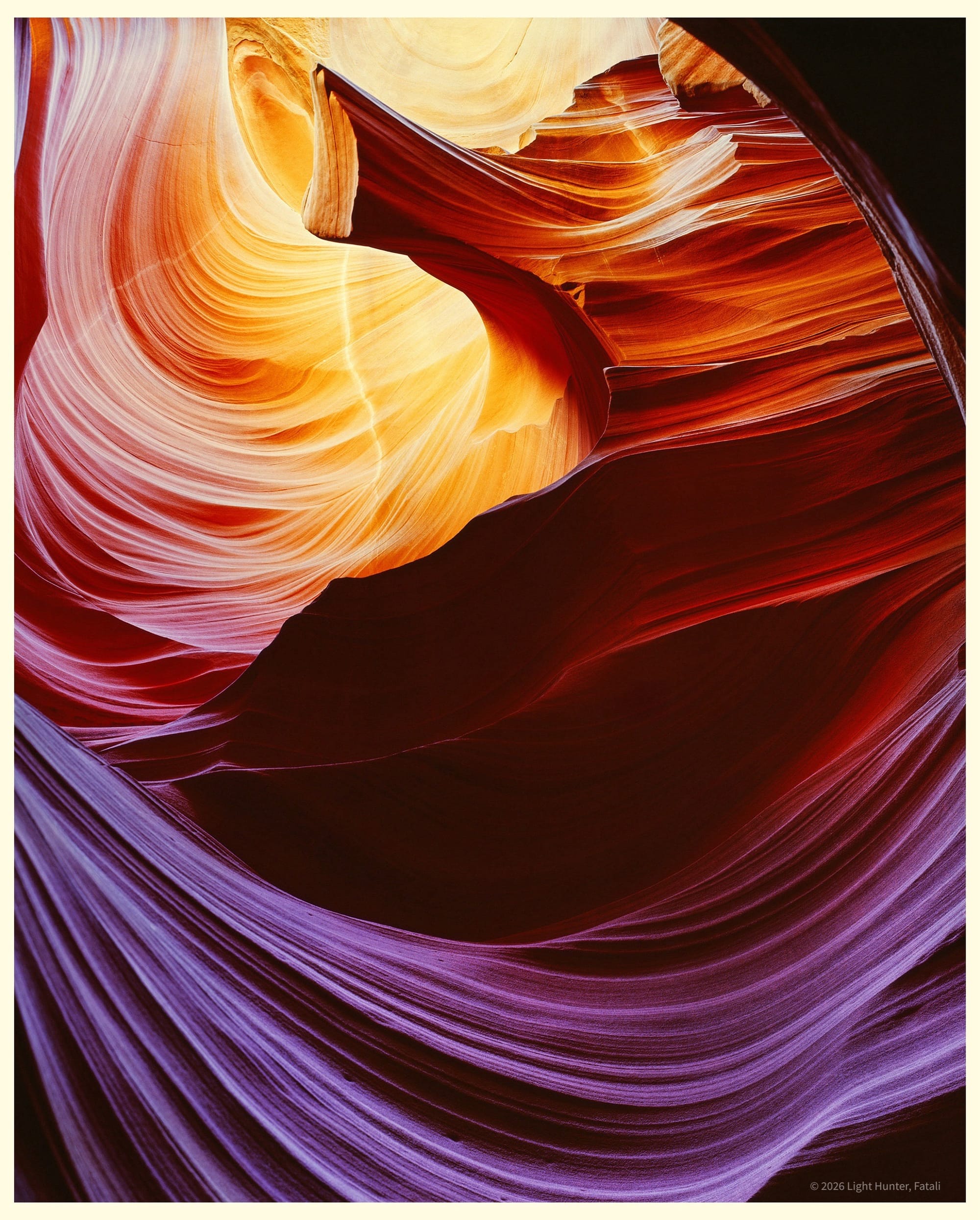
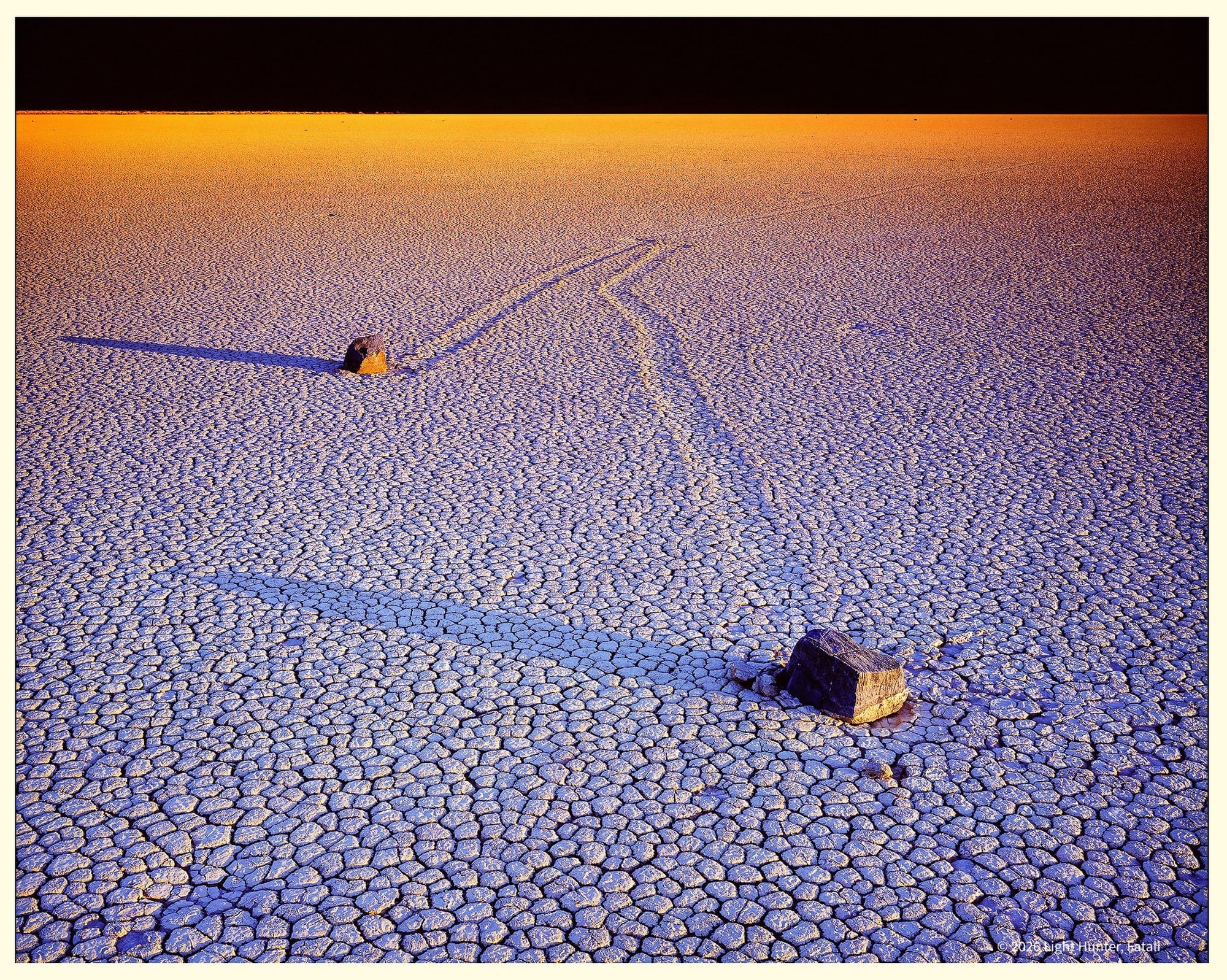
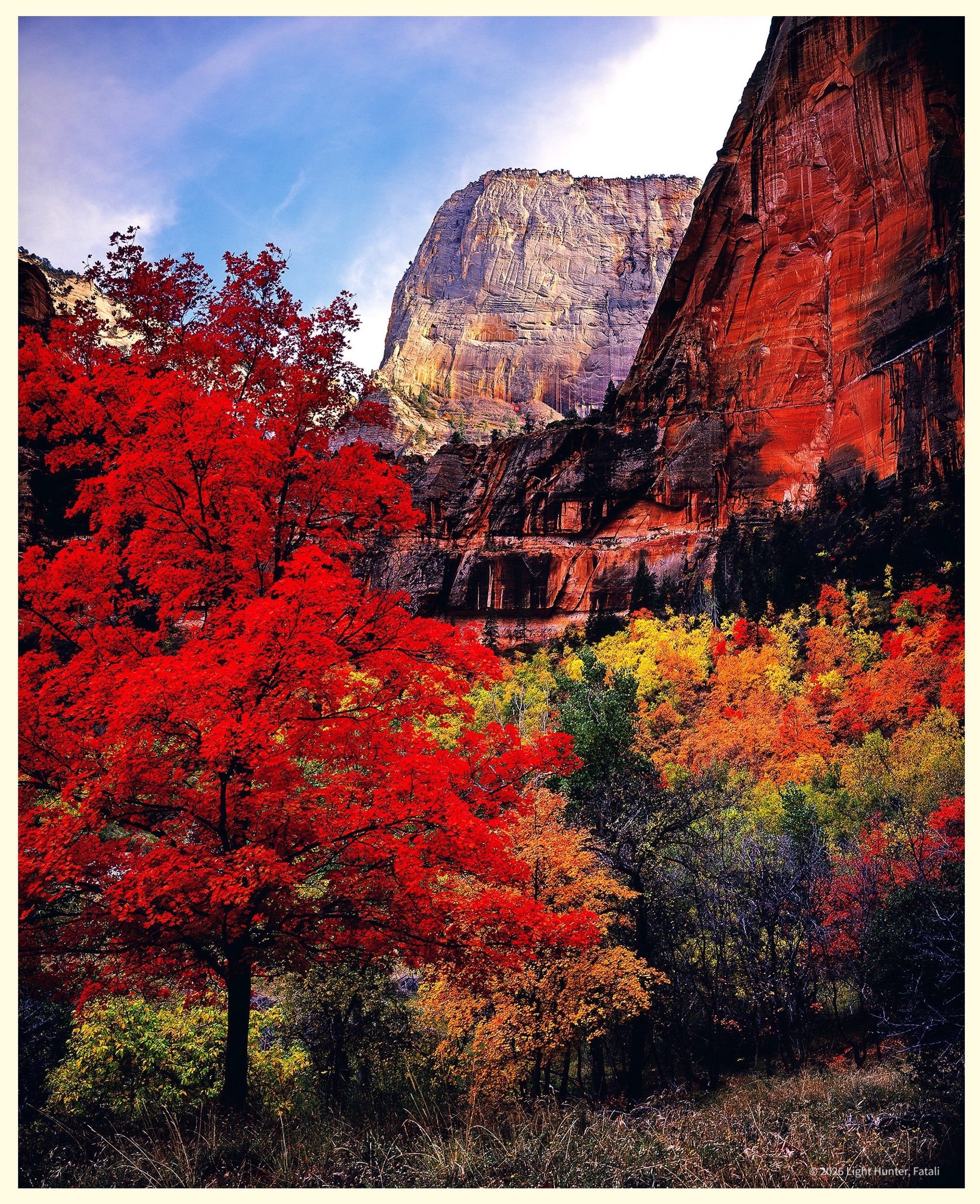
Courtesy of Fatali - The Light Hunter https://lighthunter.com
Fatali’s Cibachrome photographs have been collected by former presidents, celebrities, and thousands of private collectors worldwide, standing the test of time for decades. In addition to his extensive collector base, he has donated many of his images to charitable organizations to support their causes and fundraising efforts.
Beyond the mastery found in each handmade darkroom print, Fatali’s work is defined by his early discoveries of sacred lands in the Southwest. He was among the first to capture many of these locations on film well before they became the icons they are today. His photographs continue to capture light in truly timeless moments.